Description
Beli — the sacred bael tree, Bilva in Sanskrit — runs like a thread through Sri Lanka’s medicine, culture and cuisine. Revered in Buddhist and Hindu tradition and planted beside temples, its fruit is one of the most treasured remedies in Ayurveda, where the dried unripe fruit carries Kashaya (astringent) and Tikta (bitter) rasa, Laghu (light) and Ruksha (dry) guna, and Ushna (heating) potency.
Ayurveda prizes the dried unripe fruit as Grahi and Deepana — it firms and settles the digestion, and is the classical remedy of choice for diarrhoea, dysentery and chronic gut irritation, valued especially for its astringent, soothing action on the gut lining. In wider traditional practice the fruit and leaf are also taken to support healthy blood sugar and the liver.
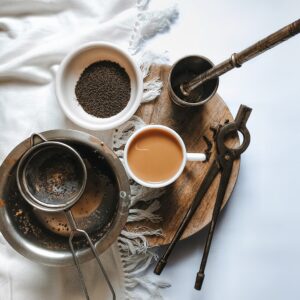
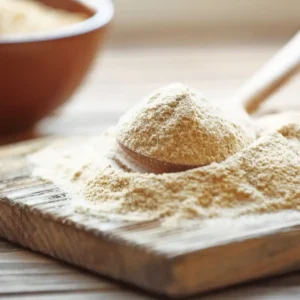
Across Sri Lanka’s dry and intermediate zones — the plains around Polonnaruwa, the northwestern scrublands, temple grounds and home gardens — beli has been harvested, sliced and sun-dried for generations, then brewed into beli mal, the island’s fragrant, naturally sweet everyday tea.