Description
The Story of This Honey — and How It Got Here
Before 2020, Sri Lanka’s bee honey was sold as a single, undifferentiated product. One label. One price. No indication of where it came from, which trees the bees had foraged from, or who had kept the hive.
Goodfolks changed this.
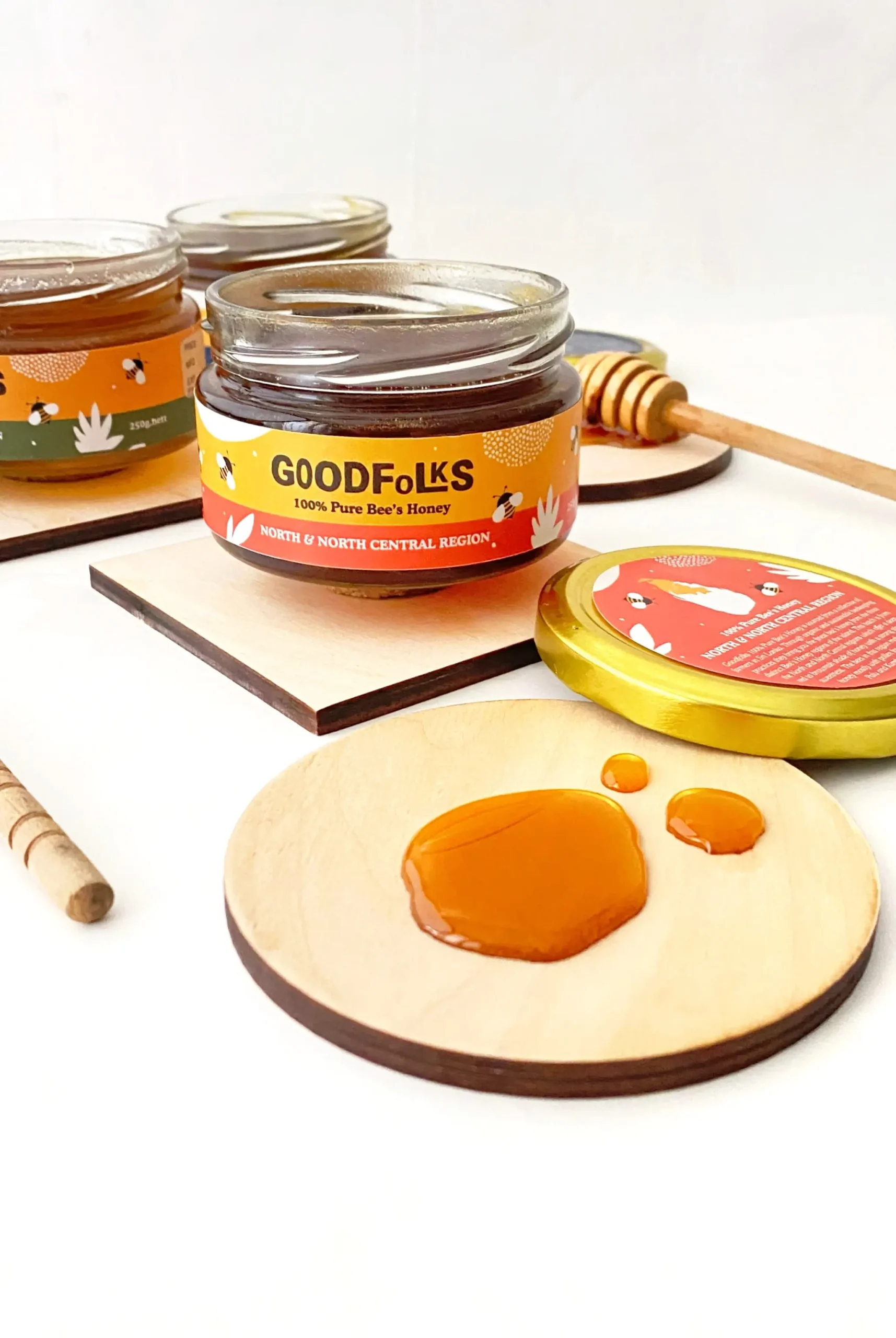
In 2020, we became the first company in Sri Lanka to introduce a Regional Bee Honey Collection — presenting three distinct varieties named by provenance: Dark from the North & North Central dry zone, Amber from the Uva highlands, and Gold from the Sabaragamuwa wet zone. For the first time, buyers could know exactly what they were purchasing and from which part of the island it came. Since then, numerous other suppliers have introduced region-specific honey. The conversation has moved. We are proud to have started it.
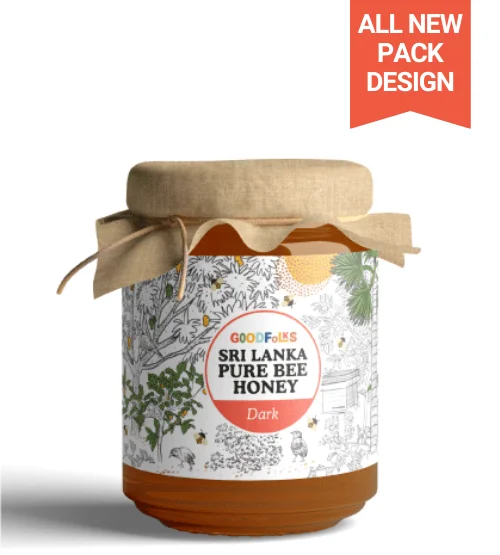
What makes the Dark variety
The North & North Central dry zone is Sri Lanka’s largest climatic region — vast, hot, and ancient. The Apis cerana bees that forage here draw nectar and pollen from Weera, Palu, Kumbuk, and Mee — trees (and many others as they come into season) with deep standing in Ayurvedic and Hela Vedakama healing traditions. The honey they produce carries the highest medicinal pollen density of the three regional varieties.
Colour: Deep red-amber, almost opaque
Flavour: Bold, sharp sweetness — faint bitter note at the finish, the signature of medicinal plant pollen
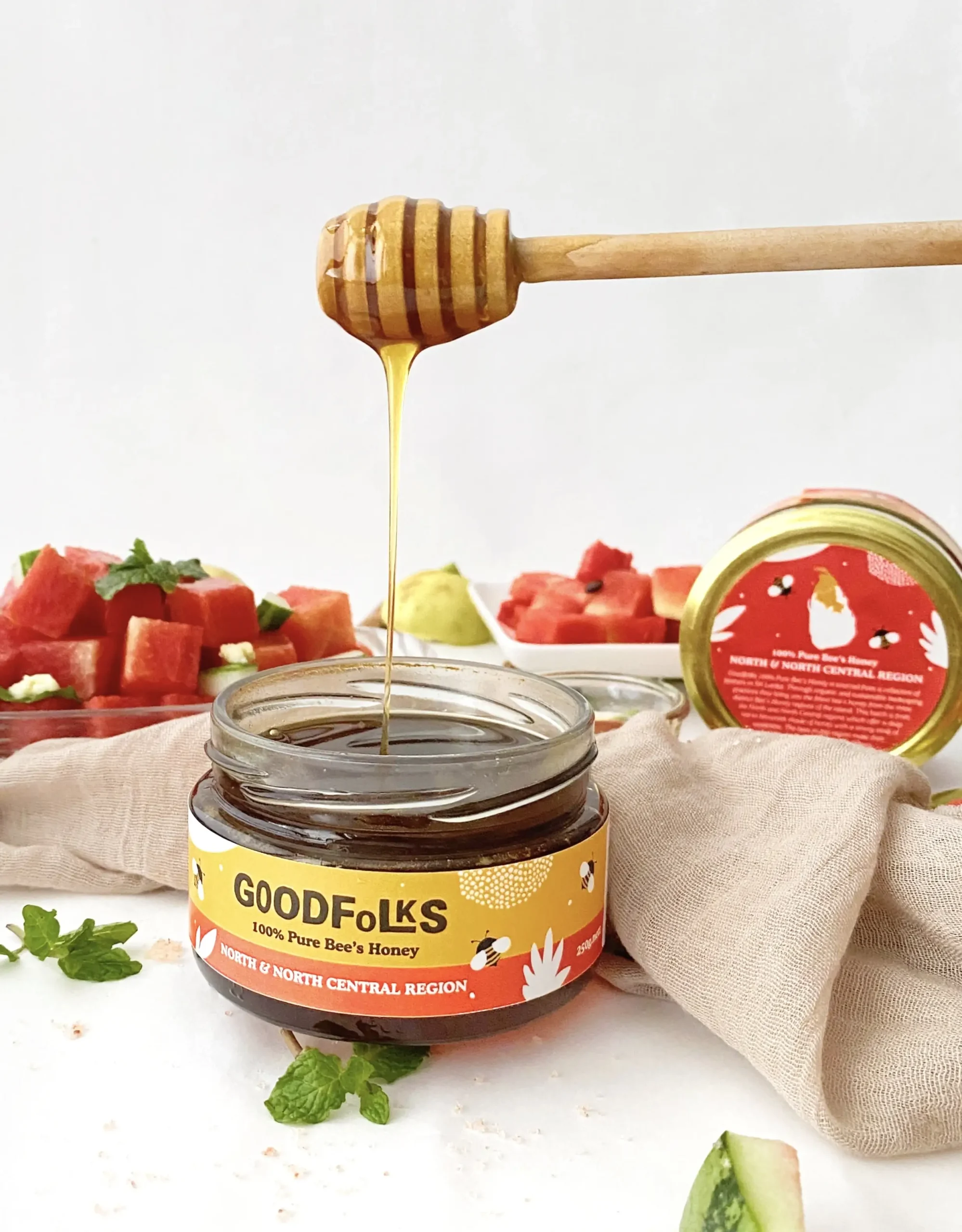
Texture: Dense and thick. Lowest moisture content of the three.
Availability: Year-round. Most abundant variety.
Daily use — the Ayurvedic way One to two teaspoons in warm (not hot) water each morning. Heat above 40°C degrades the enzymes and bioactive compounds that make raw honey valuable.
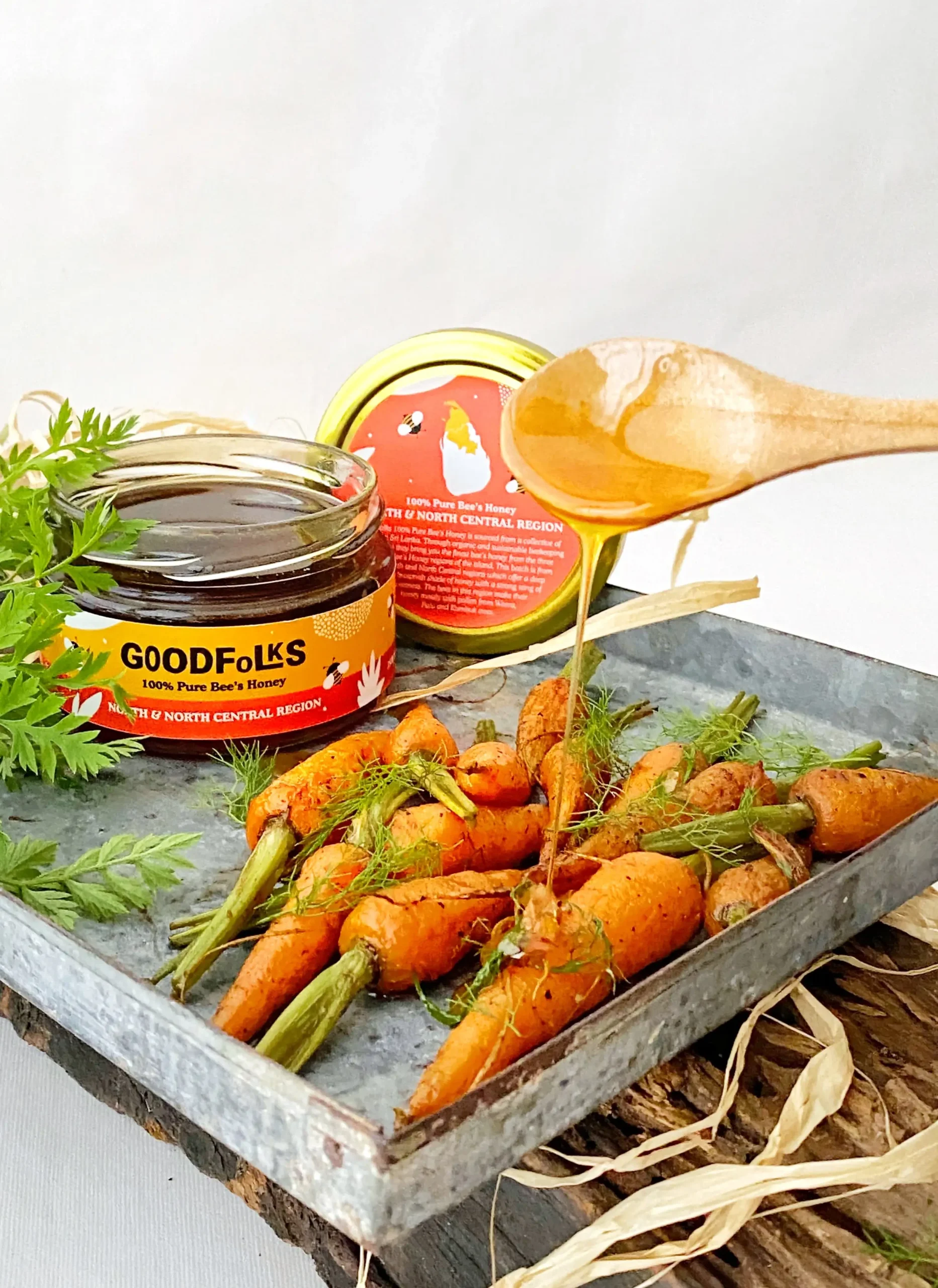
In the kitchen Natural sweetener in tea, coffee, beverages. Drizzle over buffalo curd. Marinade or glaze for meat, vegetables, cheese. In baking: substitute at ¾ cup honey per 1 cup sugar, reduce other liquids slightly.
Storage Room temperature. Away from direct sunlight. Crystallisation is natural and a sign of quality — warm the jar in water to re-liquefy. Never microwave.
Impact
Goodfolks pioneered the Regional Bee Honey Collection in Sri Lanka in 2020 — the first time this honey was named, sourced by region, and presented with full provenance. Today, we continue to be the primary source for buyers who want Sri Lankan regional honey with verified origin and transparent sourcing.
Our work with beekeepers:
- Farmers are paid above market rates — as recognition that quality is inseparable from the keeper’s care
- Goodfolks supplies bee boxes, provides training on harvesting techniques and conservation practices, and opens market channels that individual small-scale keepers would not otherwise access
- All bee boxes are maintained in home gardens and forest buffer zones — no wild bee colonies are disturbed
- Treatment-free beekeeping throughout — no synthetic chemicals, no antibiotics at any stage
Regenerative Agriculture: The Goodfolks bee honey range is part of Sri Lanka’s first Regenerative Agriculture Pilot Project, led by Good Life X. The project demonstrates that ethical, sustainable beekeeping can produce premium honey while actively improving biodiversity and soil health across the surrounding landscape.
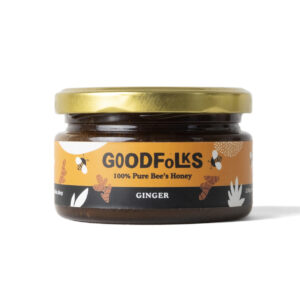
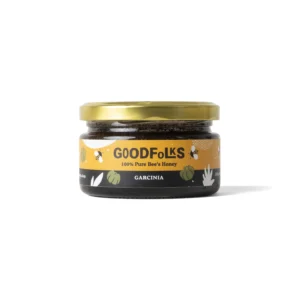
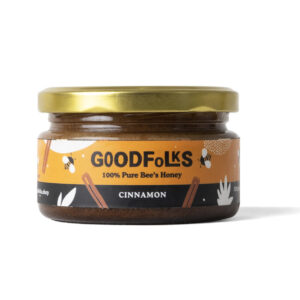
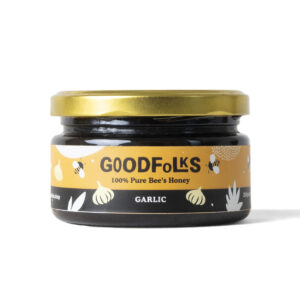
From the Regional Collection to the product range: This honey is the foundation of everything Goodfolks has built in the bee honey category. From the Regional Collection, we developed the Ayurvedic Blend Range — Bee Honey with Garlic, with Ceylon Cinnamon, with Ginger, with Garcinia Cambogia — each a traditional formulation refined for consistent taste. The Bee Honey Breakfast Collection (Mango, Pineapple, Cocoa) is currently in development.
Special Attributes
The world’s most medicinal bee honey
Sri Lanka’s indigenous healing tradition — Hela Vedakama — places bee honey at the centre of hundreds of formulations, not only for its own medicinal properties but for its rare quality of amplifying the properties of the substances it combines with. This is why honey appears at the base of almost every traditional Ayurvedic preparation.
The Sanskrit classification of honeys identifies Makshika — honey produced by Apis cerana, Sri Lanka’s primary honey bee — as the finest medicinal honey. Sri Lanka’s dry zone forests give this variety its exceptional medicinal pollen density.
What research confirms:
- A study in the Journal of Food Science and Technology found Sri Lankan bee honey had higher total phenolic content and enzyme activity than honey from Malaysia, Thailand, and India
- A study in the Journal of Food Composition and Analysis found higher calcium, magnesium, potassium, and iron content vs other producing countries
- A 2024 study (University of Sri Jayewardenepura) confirmed broad-spectrum antibacterial activity against MRSA, E. coli, and Candida albicans
Traditional Ayurvedic applications documented by the AYU Journal (University of Colombo):
- Immunity and respiratory support — throat infections, asthma
- Digestive health — constipation, hepatitis
- Anti-inflammatory — arthritis, arthralgia (mixed with coconut vinegar)
- Wound healing — eczema, ulcers, skin conditions
- Energy and recovery
- Cognitive function support
Above claims are as per Ayurvedic practitioners and published research. Consult your physician for medical advice.
The Regional Collection
Three regions. Three characters. One island.
The Goodfolks Regional Bee Honey Collection was Sri Lanka’s first. Introduced in 2020, it presented bee honey by named provenance for the first time — giving buyers the information they needed to understand what they were purchasing and why it mattered.
| Dark | Amber | Gold |
|---|
| Region | North & North Central | Uva | Sabaragamuwa |
| Colour | Deep red-amber | Warm amber | Pale gold |
| Flavour | Bold, sharp, medicinal | Full-bodied, balanced | Silky, delicate |
| Pollen sources | Weera, Palu, Kumbuk, Mee | Sri Lankan Olive, Keena, Avocado | Rubber tree, Kon, Sri Lankan Olive |
| Availability | Year-round | Year-round | Seasonal — limited |
| Best for | Daily Ayurvedic use, cooking | Everyday use, culinary | Tasting, drizzling, gifting |